The Ultimate Vegetable Companion Planting Chart
The Ultimate Vegetable Companion Planting Chart
Companion planting is a gardening technique that involves planting certain types of vegetables together to benefit each other. By understanding which plants complement each other, you can create a more productive and pest-resistant garden.
There are many different benefits to companion planting. Some of the most common include:
- Attracting beneficial insects. Many flowers and herbs attract beneficial insects, such as ladybugs and hoverflies, which help to control pests. For example, marigolds are a popular companion plant for tomatoes because they attract ladybugs, which eat tomato hornworms.
- Distracting pests. Some plants have strong scents that can distract pests from other plants. For example, basil is a good companion plant for tomatoes because its scent can deter tomato hornworms.
- Providing shade. Tall plants, such as sunflowers and corn, can provide shade for shorter plants, such as lettuce and carrots. This can help to protect the shorter plants from the hot sun and promote their growth.
- Improving soil quality. Some plants, such as beans and peas, are nitrogen-fixing plants. This means that they can convert atmospheric nitrogen into a form that other plants can use. This can help to improve the overall health of your soil.
When choosing companion plants, it is important to consider the following factors:
- The size and growth habit of the plants. Tall plants should not be planted next to short plants, as they will shade them out.
- The nutrient needs of the plants. Some plants, such as tomatoes, are heavy feeders and require a lot of nutrients. Other plants, such as lettuce, are more light feeders.
- The pests and diseases that affect the plants. Some plants attract the same pests and diseases, so it is not a good idea to plant them together.
There are many different resources available to help you learn more about companion planting. You can find books, articles, and websites that list specific companion plants for different vegetables. You can also ask your local nursery or garden center for advice.
Once you have a basic understanding of companion planting, you can start to experiment with different combinations of plants in your garden. With a little trial and error, you will soon be able to create a thriving garden that is both productive and pest-resistant.
[Here are some examples of good companion plants:
- Tomatoes and basil: Basil repels tomato hornworms and other pests, and it also improves the flavor of tomatoes.
- Carrots and onions: Onions repel carrot flies, and carrots help to improve the flavor of onions.
- Beans and corn: Beans fix nitrogen in the soil, which benefits corn. Corn provides support for beans to climb.
- Peas and lettuce: Peas fix nitrogen in the soil, which benefits lettuce. Lettuce shades out the roots of peas, helping to prevent them from rotting.
- Sunflowers and squash: Sunflowers provide support for squash vines to climb. Squash shades out the soil around sunflowers, helping to suppress weeds.
[Here are some examples of vegetables that should not be planted together:
- Tomatoes and potatoes: Both tomatoes and potatoes are susceptible to the same pests and diseases, so it is not a good idea to plant them together.
- Onions and peas: Onions can stunt the growth of peas.
- Cabbage and strawberries: Cabbage attracts cabbage moths, which can also damage strawberries.
- Carrots and dill: Dill can reduce the yield of carrots.
- Cucumbers and basil: Basil can stunt the growth of cucumbers.
[Conclusion]
Companion planting is a great way to improve the health and productivity of your garden. By understanding which plants complement each other, you can create a more balanced and harmonious ecosystem. With a little planning and effort, you can enjoy a bountiful harvest of fresh, healthy vegetables.
Do you want to grow a healthy and productive vegetable garden? If so, you need to know about companion planting. Companion planting is the practice of planting certain vegetables and flowers together in order to improve their growth and health. Some vegetables benefit from being planted near each other because they attract beneficial insects, deter pests, or share nutrients. For example, basil helps to repel tomato hornworms, while marigolds help to deter aphids.
If you're new to companion planting, you can find a comprehensive chart of vegetable companion plants at Gardenia Inspiration. This chart lists which vegetables are good companions for each other, as well as which vegetables should be avoided planting together. It's a great resource for planning your vegetable garden and ensuring that your plants thrive.
FAQ of vegetable companion planting chart
- What are companion plants?
Companion plants are vegetables or flowers that are planted together because they benefit each other in some way. For example, some companion plants attract beneficial insects that help to control pests, while others improve the soil quality or deter diseases.
- How do I find out which vegetables are companion plants?
There are many resources available to help you find out which vegetables are companion plants. One good place to start is with a companion planting chart. These charts list different vegetables and their companion plants, along with the benefits that each relationship provides. You can find companion planting charts online or at your local library or gardening center.
- How close together should I plant companion plants?
The amount of space you need to plant companion plants will vary depending on the size of the plants. In general, you should plant companion plants within two or three rows of each other. This will give them enough room to grow and thrive, while still allowing them to benefit from each other's presence.
- Do I need to plant vegetables in pairs?
No, you do not need to plant vegetables in pairs. However, planting companion plants together can help to improve your garden's overall health and productivity. If you are not sure which vegetables to plant together, you can always consult a companion planting chart for guidance.
- Do vegetables need to be planted in the same soil type?
Not necessarily. Some vegetables prefer different soil types, but many vegetables can tolerate a variety of soil conditions. If you are unsure about the soil type in your garden, you can take a sample to your local nursery or garden center for testing.
Image of vegetable companion planting chart
Image 1: This image shows a large, detailed companion planting chart with over 50 different vegetables. The chart is divided into two sections: "Good Companions" and "Bad Companions." Each vegetable is labeled with its scientific name and common name. The chart also includes information about the benefits of companion planting, such as pest control, pollination, and improved soil quality.
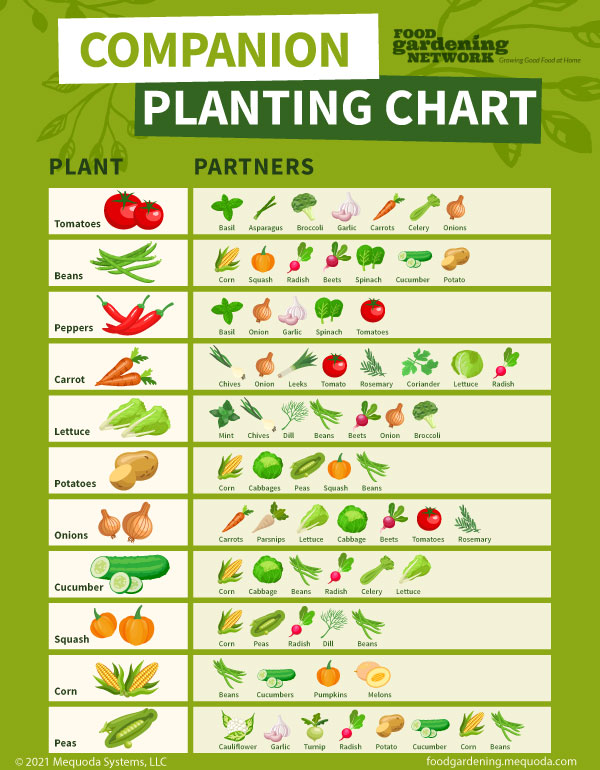
Image 2: This image is a smaller, more concise companion planting chart. It only includes 20 of the most common vegetables. The chart is divided into three sections: "Attract Beneficial Insects", "Repels Pests", and "Improves Soil." Each vegetable is labeled with its scientific name and common name. The chart also includes a brief description of the benefits of planting each vegetable near the other vegetables listed in the same section.
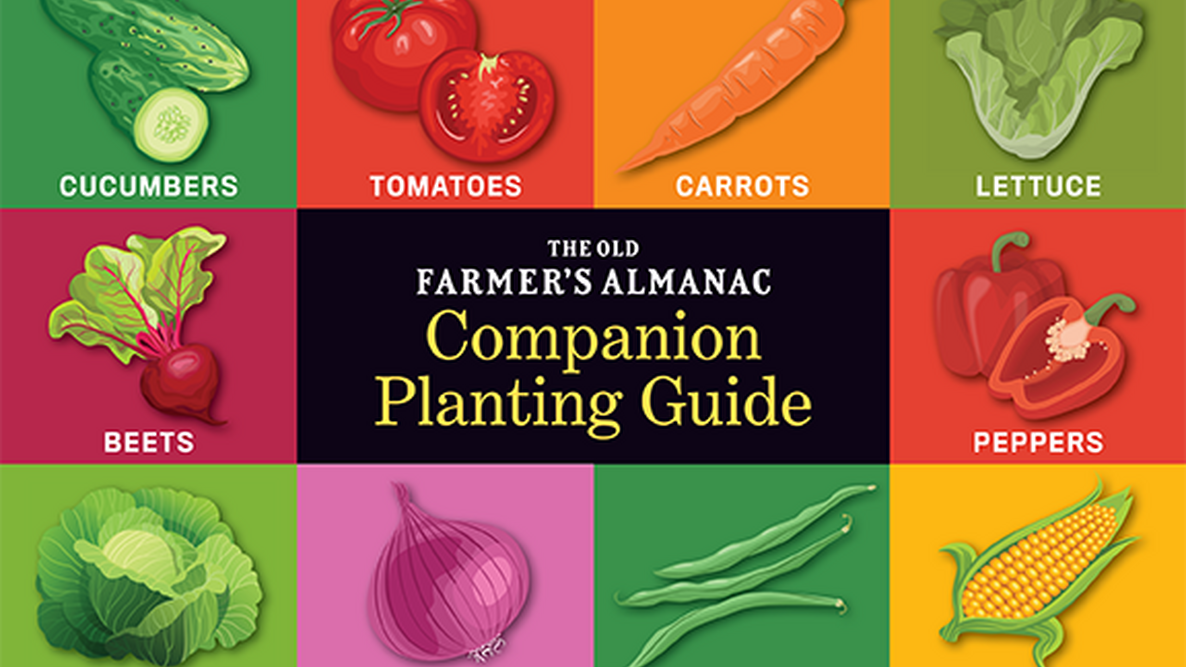
Image 3: This image is a printable companion planting chart. It is divided into two columns: "Plants to Avoid" and "Plants to Grow Together." Each plant is labeled with its scientific name and common name. The chart also includes a brief description of why each plant is beneficial or harmful to the other plants listed.
Image 4: This image is a companion planting chart that is organized by color. The vegetables are grouped together based on their color, such as red, green, yellow, and white. Each vegetable is labeled with its scientific name and common name. The chart also includes a brief description of the benefits of planting each vegetable near the other vegetables in its color group.
Image 5: This image is a companion planting chart that is organized by type of vegetable. The vegetables are grouped together based on their type, such as leafy greens, root vegetables, fruiting vegetables, and herbs. Each vegetable is labeled with its scientific name and common name. The chart also includes a brief description of the benefits of planting each vegetable near the other vegetables in its type group.

Post a Comment for "The Ultimate Vegetable Companion Planting Chart"