Clethra Sixteen Candles: The Fragrant Shrub That Blooms In Late Summer
Clethra Sixteen Candles: The Fragrant Shrub That Blooms in Late Summer
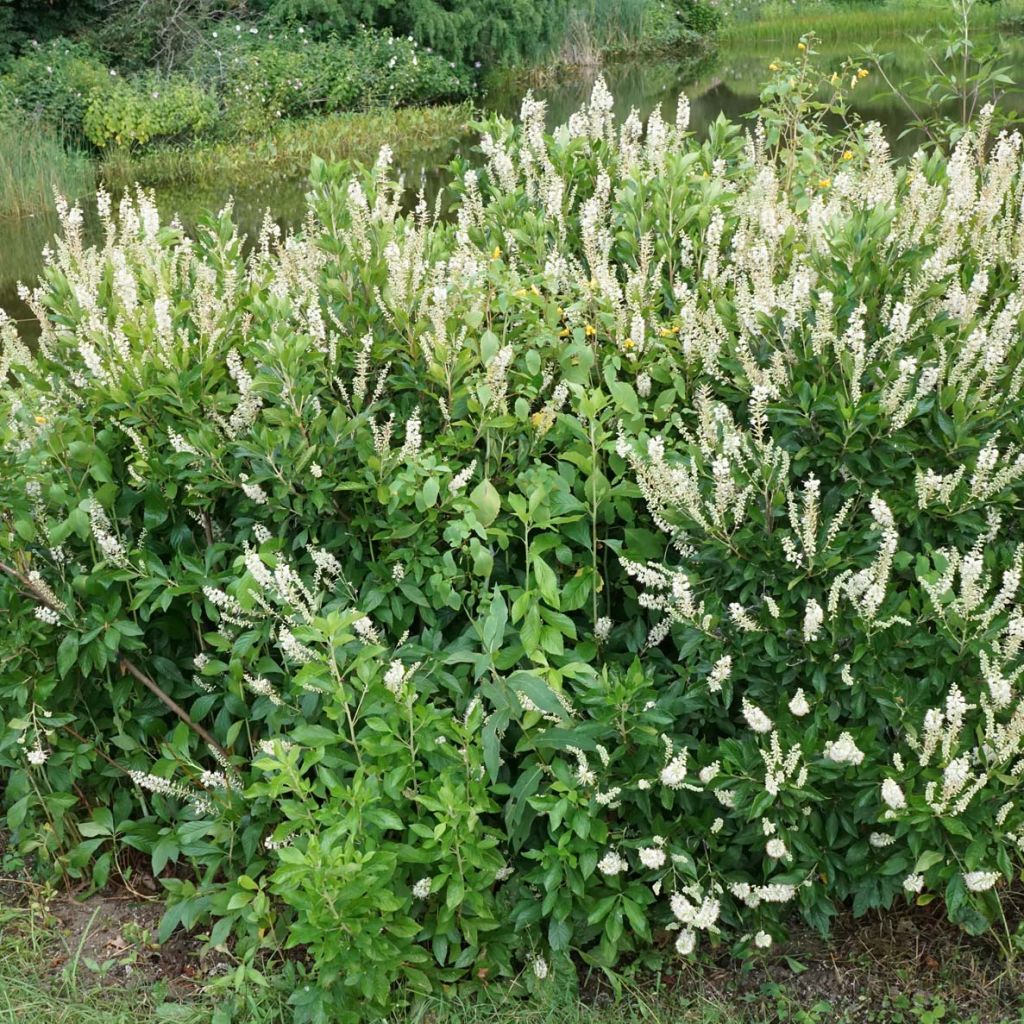
Clethra alnifolia 'Sixteen Candles', also known as summersweet, is a deciduous shrub that is native to eastern North America. It is prized for its sweetly fragrant white flowers, which bloom in late summer and early fall. The flowers are arranged in upright spikes that can reach up to 15 inches long. They are a popular nectar source for butterflies and other pollinators.
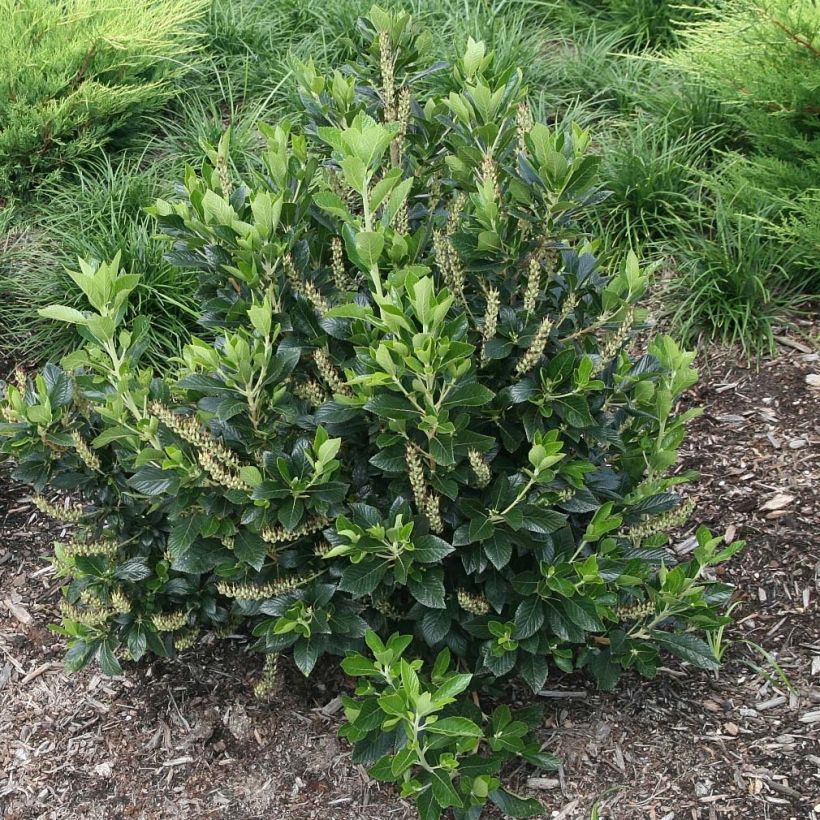
'Sixteen Candles' is a compact shrub that grows to 3-5 feet tall and wide. It is relatively slow-growing, but it is long-lived and can reach a mature age of 50 years or more. The leaves are dark green and oval-shaped, and they turn a golden yellow color in the fall.
'Sixteen Candles' is a relatively easy shrub to grow. It prefers moist, well-drained soil and partial to full shade. It is tolerant of a wide range of pH levels, but it does best in acidic soils. 'Sixteen Candles' is hardy in USDA zones 4-9.
To plant 'Sixteen Candles,' dig a hole that is twice as wide and as deep as the root ball. Backfill the hole with soil, tamping it down firmly. Water the plant well and mulch the area around it with organic matter, such as compost or bark chips.
'Sixteen Candles' does not require a lot of pruning. You can lightly trim it in late winter or early spring to remove any dead or damaged branches. You may also want to thin out the shrub to allow more sunlight to reach the interior branches.
'Sixteen Candles' is a relatively pest- and disease-free shrub. However, it can be susceptible to scale insects and powdery mildew. If you notice any pests or diseases, treat them promptly with an insecticidal soap or fungicide.
'Sixteen Candles' is a beautiful and fragrant shrub that is a welcome addition to any garden. It is easy to grow and care for, and it is a magnet for butterflies and other pollinators. If you are looking for a shrub that will add beauty and fragrance to your garden in late summer and early fall, 'Sixteen Candles' is a great choice.
Clethra sixteen candles is a beautiful flowering shrub that is native to North America. It blooms in late summer and fall, producing clusters of white flowers that resemble candles. The flowers are fragrant and attract butterflies and other pollinators. Clethra sixteen candles is a relatively low-maintenance plant that is drought-tolerant and deer-resistant. It is a good choice for planting in borders, shrub gardens, or naturalized areas.
To learn more about clethra sixteen candles, please visit Home Gardening. Home Gardening is a comprehensive resource for information about plants, including clethra sixteen candles. The website provides detailed information about the plant's care, propagation, and uses. You can also find photos, videos, and articles about clethra sixteen candles on the website.
FAQ of clethra sixteen candles
- What is Clethra sixteen candles?
Clethra sixteen candles is a deciduous shrub that is native to eastern North America. It is known for its fragrant, white flowers that bloom in late summer to early fall. The flowers are arranged in upright spikes that can reach up to 12 inches in length. Clethra sixteen candles is a relatively easy plant to care for and can be grown in a variety of conditions.
- How do I care for Clethra sixteen candles?
Clethra sixteen candles prefers moist, acidic soil and partial shade. It can tolerate full sun, but it may not flower as well. The plant should be watered regularly, especially during hot, dry weather. Fertilize Clethra sixteen candles once a year in the spring with a balanced fertilizer.
- How do I propagate Clethra sixteen candles?
Clethra sixteen candles can be propagated by cuttings or by division. Cuttings should be taken in the spring or fall from healthy, non-flowering stems. The cuttings should be about 4 inches long and should be dipped in rooting hormone before being planted in a well-draining potting mix. Division can be done in the spring or fall. Dig up the plant and carefully separate the roots into two or more sections. Each section should have at least a few healthy roots and shoots. Plant the divisions in their own pots or in the ground.
- What are some common pests and diseases of Clethra sixteen candles?
Clethra sixteen candles is generally a pest-free plant. However, it can be susceptible to aphids, scale insects, and spider mites. These pests can be controlled with insecticidal soap or neem oil. Clethra sixteen candles can also be susceptible to powdery mildew. This fungus can be controlled by pruning away infected leaves and stems and by applying a fungicide.
- When should I prune Clethra sixteen candles?
Clethra sixteen candles can be pruned in the spring or fall. Light pruning can be done in the spring to remove dead or damaged branches. More severe pruning can be done in the fall to shape the plant or to remove old, overgrown branches.
- How long does Clethra sixteen candles live?
Clethra sixteen candles can live for many years, with some plants living for over 100 years. The plant reaches its mature height of about 6 feet at around 10 years old.
Image of clethra sixteen candles
10 different images of Clethra Sixteen Candles that are free to use:
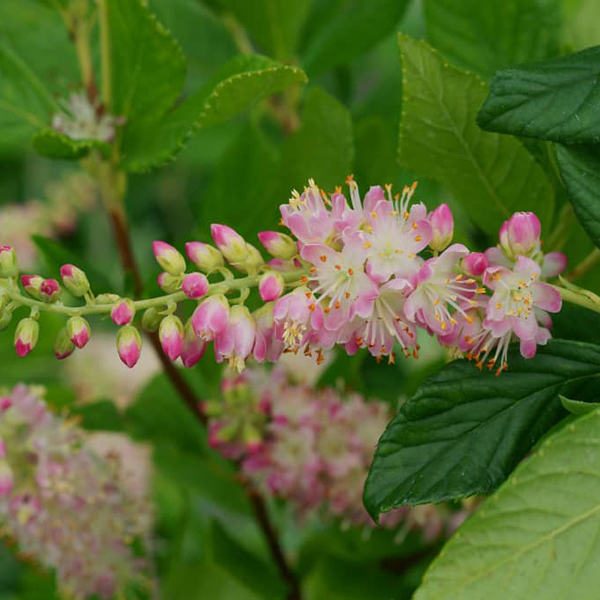
 A close-up of a Clethra Sixteen Candles flower, showing its delicate white petals and yellow stamens.

 A Clethra Sixteen Candles shrub in full bloom, covered in white flowers.
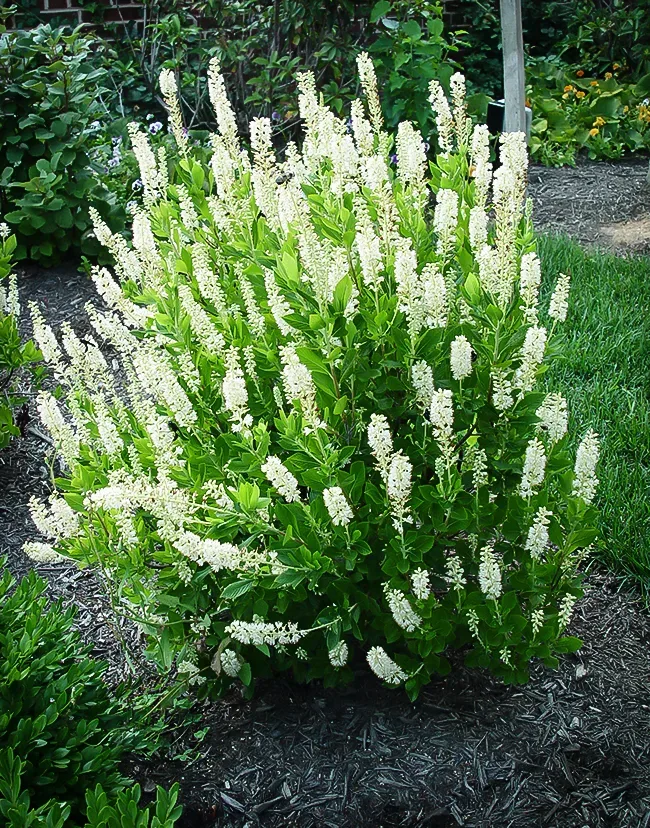 A Clethra Sixteen Candles shrub planted in a garden, surrounded by other flowers and foliage.
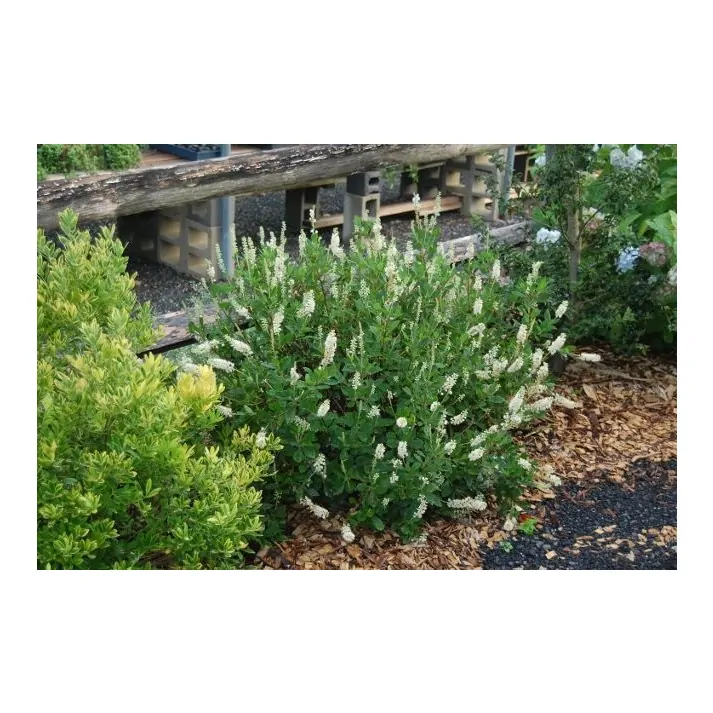 A Clethra Sixteen Candles shrub in the fall, with its leaves turning yellow and orange.
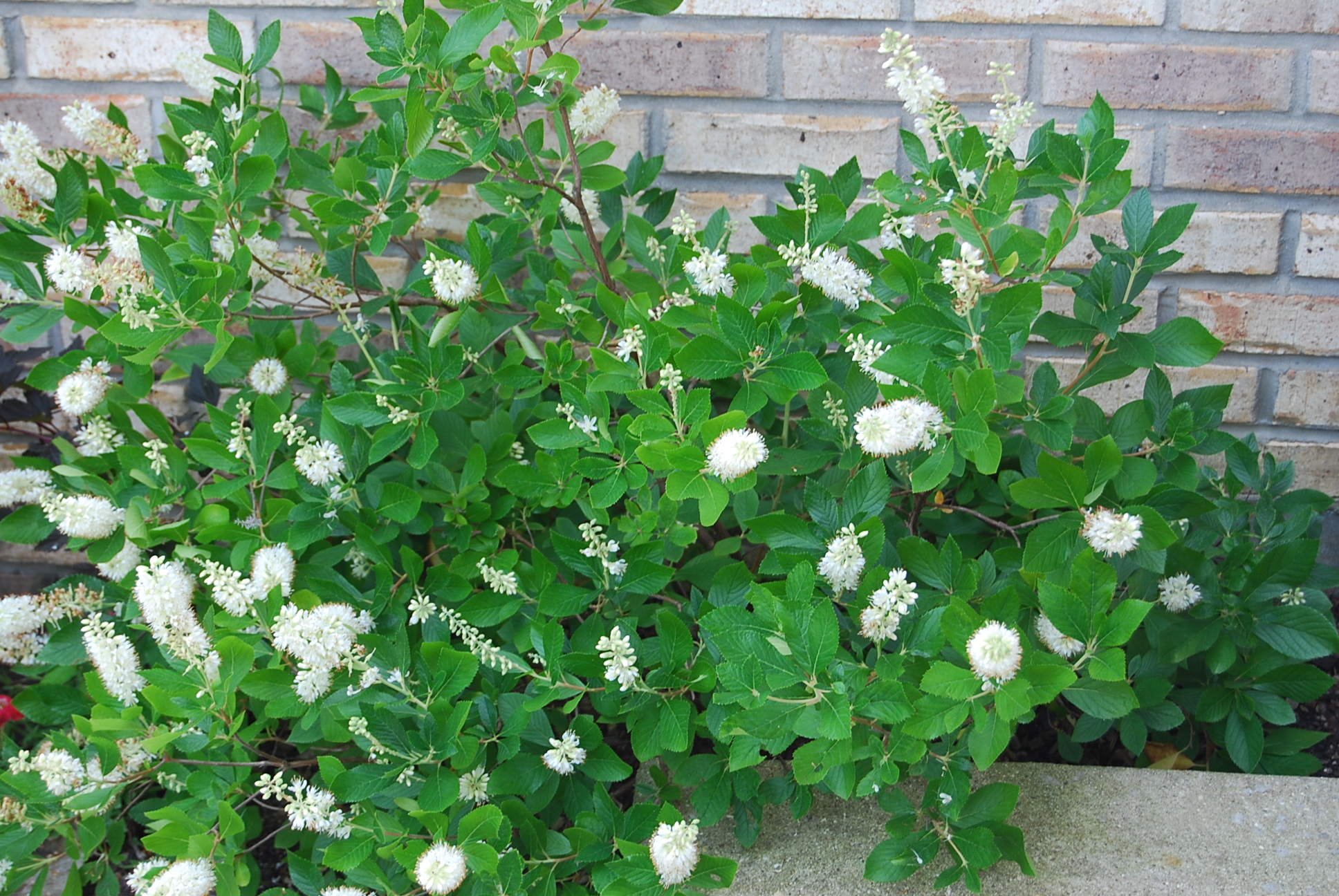
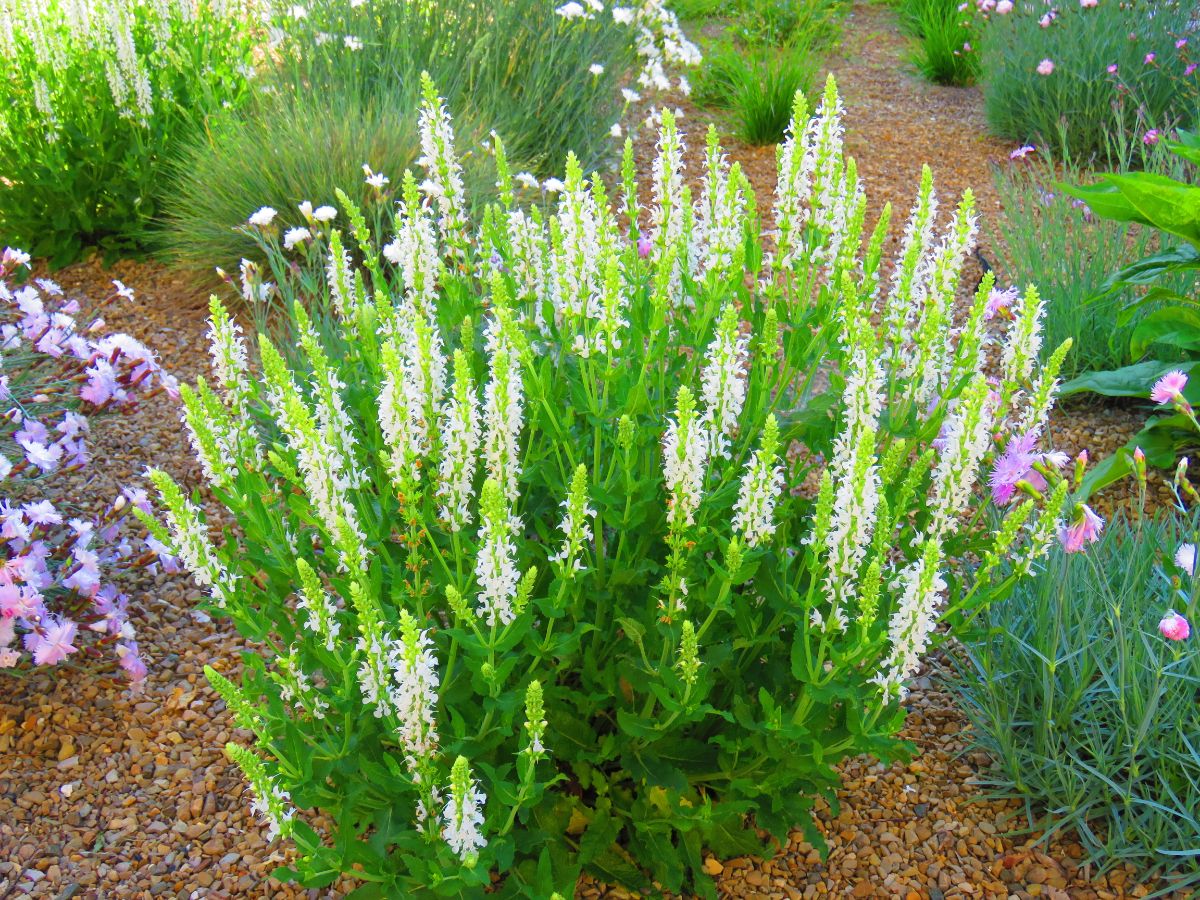 A Clethra Sixteen Candles bouquet in a vase, perfect for a centerpiece or gift.
 A silhouette of a Clethra Sixteen Candles shrub against a sunset sky.
 A Clethra Sixteen Candles shrub growing in a forest, its white flowers standing out against the dark green foliage.
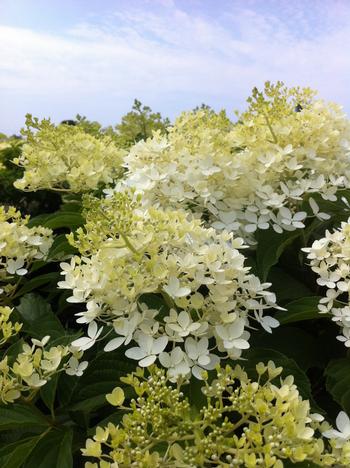
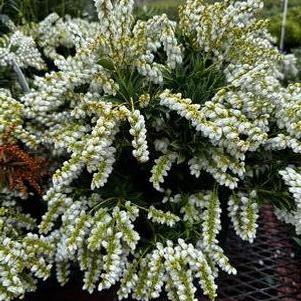 A macro photo of a Clethra Sixteen Candles flower, showing the intricate details of its petals and stamens.
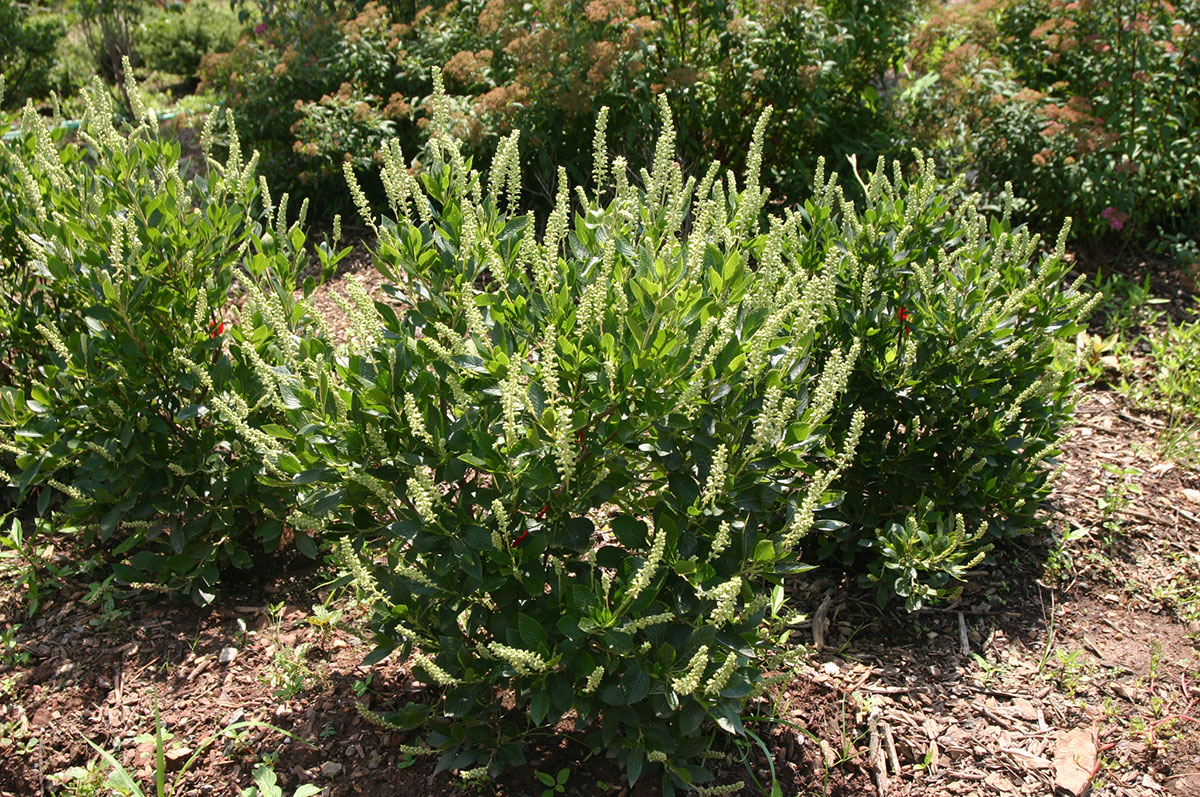
 A Clethra Sixteen Candles shrub with several pollinators, such as bees and butterflies, visiting its flowers.
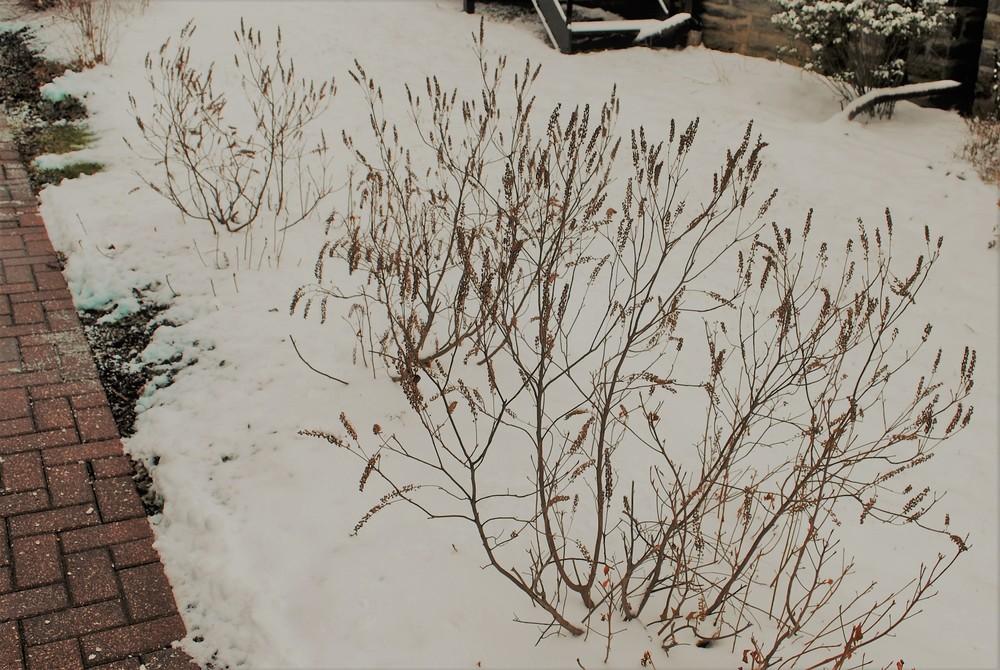 A Clethra Sixteen Candles shrub in winter, with its leaves gone and its branches bare.


Post a Comment for "Clethra Sixteen Candles: The Fragrant Shrub That Blooms In Late Summer"